
The following article was written by the CEO of Love Without Boundaries, Amy Flynn-Smith. It offers insight into the Safe Haven program they run in some of the most difficult places for children to grow up. RW Supply + Design has been able to partner with LWB programs in both Cambodia and China. We are continually inspired by how they have turned hardship into hope for many kids.
The ability to partner with LWB, working until every child is home, is because of the work EVERYONE at RW Supply + Design does each day!

Straight Talk on Orphan Care: Street Children
©2025 Love Without Boundaries. All Rights Reserved.
The World Health Organization estimates that up to one billion children aged 2-17 have experienced physical, sexual, or emotional violence in the past year (Violence Against Children, WHO). This staggering number highlights the urgent need for prevention and support systems to protect children from harm.
When LWB first began working in southeast Asia, we quickly realized that child trafficking, along with physical and sexual abuse, were urgent issues we would need to address. Tragically, 1 in 4 victims of modern-day slavery around the world are children (Global Estimates of Modern Slavery: Forced Labour and Forced Marriage, Walk Free).

In Cambodia, we learned that most older children rescued from these situations were taken to various shelters throughout the country, which provide basic needs like food, housing, and clothing. Because of our dedication for family-based care, however, LWB launched Safe Haven, the first foster care program in Cambodia specifically for children who have endured severe abuse or trafficking.
We believe strongly that the best way to help these children heal, both physically and emotionally, is for them to find safety and support within a caring family. Our Safe Haven foster care program includes medical care, nutrition, and psychological counseling, along with education assistance. In fact, many of the kids attend school for the first time in their lives. It’s incredible to see them transition from fear to stability under the nurturing care of a foster mom and dad. This program is a vital part of our anti-trafficking efforts in Cambodia, and almost 60 children have been placed with families.

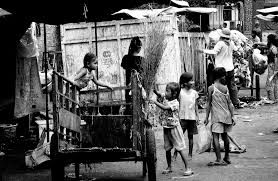
Our Safe Haven program in Cambodia is based outside of Poipet, a town known for its thriving casino industry. When you visit the area at night, you immediately encounter groups of abandoned street children. I vividly remember the first time our director took me to meet some of the kids, who appeared to be on every corner. Most were stunted from chronic malnourishment, and all we could do at that moment was ensure they got a hot meal.

Poipet’s proximity to the border makes it a hotspot for child trafficking; many of the children are forced into labor, begging, or sexual exploitation. It’s impossible to see the need and not want to help in some way. So, working in partnership with local anti-trafficking groups, we began placing some of the street children into Safe Haven foster care.
Even as we have celebrated the huge success of this particular project, we have also realized just how complex it can be to place some children, especially those who have been living on the streets, into family-based care. Here are a few of the challenges we’ve encountered.
Challenges of Placing Street Children in Foster Care
Drug Addiction
Sadly, traffickers and street handlers often use substances like opiates or crystal meth to exert control over street children. Drug addiction is widespread among kids living on the streets who often turn to narcotics or glue-sniffing as a way to cope with trauma and the harsh realities of their lives. Finding foster families willing to care for children struggling with addiction is incredibly challenging, and access to formal rehabilitation centers is frequently limited.

Lack of Trust
It is completely understandable that children who have faced abuse and exploitation often distrust any adult who tries to help them. Street children often operate in “survival mode,” forming self-organized, child-led troupes to look out for each other. These groups provide a sense of belonging and protection, making children reluctant to abandon their “street family” and accept assistance from outsiders.

Desire for Self-Control
Life on the streets often forces children to grow up too quickly and become completely self-reliant. When approached by authorities, street children may worry about losing their independence or being placed in environments that feel restrictive. This is why some kids, even when offered safety in shelters, choose to run away and return to the streets.

In our experience with placing children from the streets into foster care, we’ve encountered similar situations with kids running back to the very abuse they escaped.
One young girl joined our Safe Haven program at the age of 12. She found it incredibly difficult to adjust to her foster family’s rules, such as completing homework and doing occasional chores. The first time she ran away, our entire team spent the night searching for her. We eventually found her in a dangerous slum area and were able to convince her to return to her foster home.

The following year was a tumultuous one, and as a young teen, she decided to leave again. Eight months later, she reappeared at our office, having walked ten miles from the city to tell us she was finally ready to accept our help. To our surprise, she brought with her a seven-year-old orphaned boy she had met on the streets, determined to help him find safety as well. This little boy has since thrived in our Safe Haven program, embracing the love and stability of his foster mom.
Behavioral Difficulties from Past Abuse
While we have successfully placed children who have been sexually assaulted into family-based care, there can be complex challenges. Exposure to this type of abuse can sometimes normalize harmful behaviors, leading children to mimic what they’ve experienced. They may struggle to understand appropriate boundaries and may even reenact their trauma with family members or foster siblings. They may sexually self-stimulate as a way to self-soothe. In cultures where there are still societal stigmas surrounding these topics, it can be difficult to find parents willing to accept children who have faced this type of assault.
We do everything we can to address these barriers through trauma-informed care training and community education, but the reality is that there is a reason that some charities focus all their efforts solely on providing shelter care to street children. Their needs are highly specific and differ greatly from those of other vulnerable groups.

Mika’s Story
We continue to accept as many children as we can into this specialized foster program. For children like Mika (not his real name), having a caring foster family has been life-changing. Mika ran away from home as a young boy after being abandoned by his biological father and regularly beaten by his stepmom. He ended up living on the streets, sleeping outside and scavenging food from a restaurant dumpster.
LWB learned about Mika when he was 12, and his intake photos were some of the saddest I had seen. When he entered our Safe Haven foster care program, Mika received the medical care and nutrition he needed to regain his health and receives regular counseling for the trauma he endured.
Now, when I see his reports, I marvel at his transformation. His smile shines all the way to his eyes, and he loves to draw and play sports with his friends. Mika has fully embraced having a stable and supportive home, and we are grateful to everyone who supports this critical program.

Next week, I’ll wrap up this “Straight Talk” blog series with some thoughts on our work with orphaned and vulnerable children as it relates to adoption. Thanks for keeping the conversation going!
~Amy Flynn-Smith, CEO